Cold Process vs Melt and Pour vs Hot Process Soap
The three common ways to make soap differ in chemistry, control and cure time. Here is what genuinely separates them, and which one suits what you want.
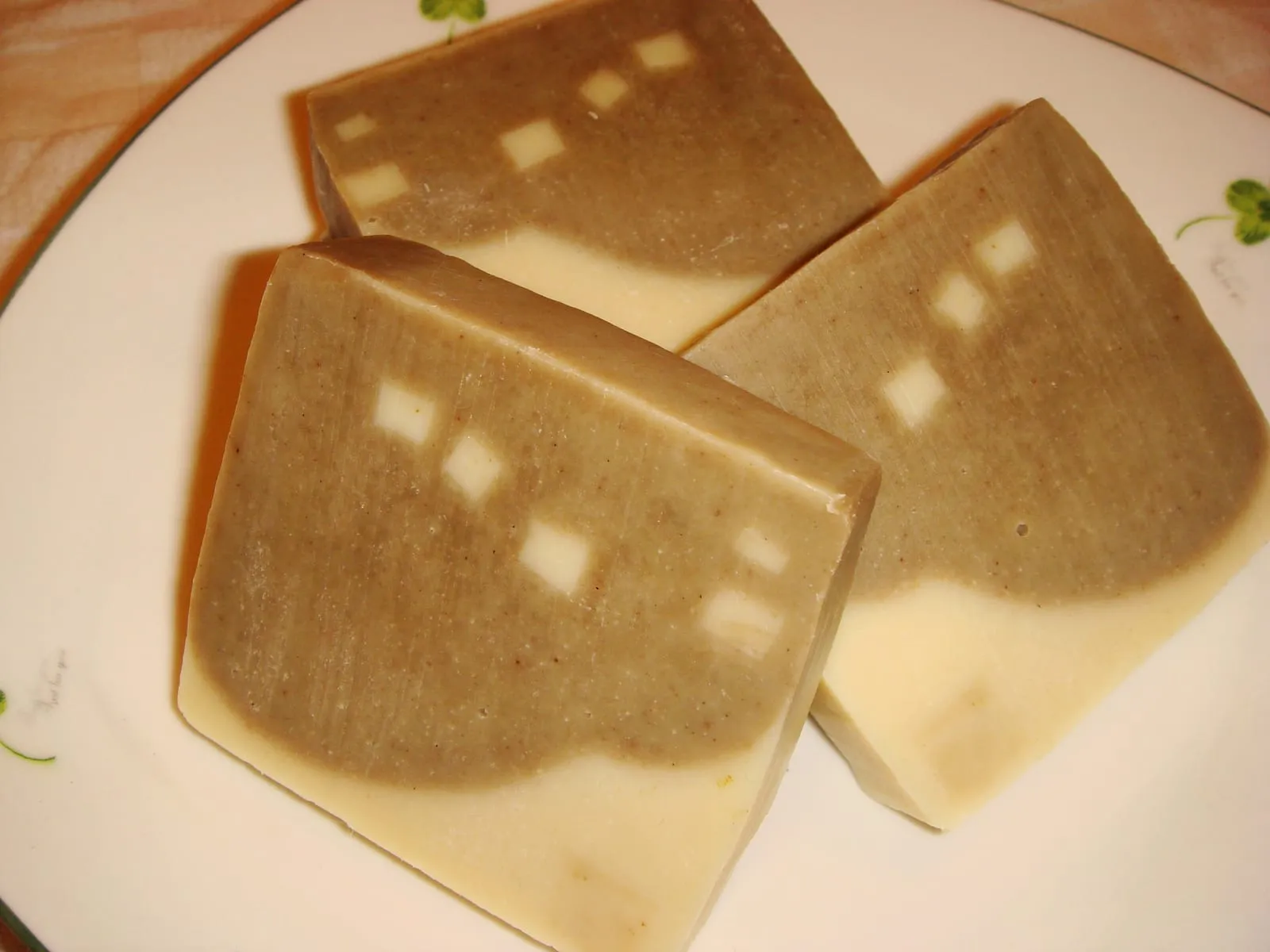
Cold process and hot process are both soapmaking: fats react with lye to make soap. Melt and pour is not. It is remelting a soap base a factory already saponified. The difference decides what you control, what you can add, and how long you wait.
Cold process and hot process are both real soapmaking: you combine fats with a lye solution and saponification produces soap. Melt and pour is not, because it remelts a base that a factory has already saponified. The difference matters because it decides which oils you choose, what you can add, and how long a bar takes to be ready.
What is the difference between cold process, hot process and melt and pour soap?
The difference is when and where saponification happens. Cold process lets the reaction run in the mould, hot process finishes it on a heat source, and melt and pour skips it because the base is already soap. That timing decides lye handling, appearance and wait. The chemistry itself is identical in the first two.
| Cold process | Hot process | Melt and pour | |
|---|---|---|---|
| Lye handled at home | Yes | Yes | No |
| Where the reaction happens | In the mould | In the pot, on a heat source | Already done at the factory |
| Time to a finished reaction | 18 to 24 hours | A cook of about 30 to 60 minutes | None |
| Ready to use | After a cure of 3 to 4 weeks | Often the next day | Once cooled and hard |
| Look | Room for swirls and detail | Rustic, little room for swirls | Clear or opaque, easy embeds |
| Control of the oil blend | Full | Full | None |
Timings come from a 2018 cold saponification study and the Handcrafted Soap & Cosmetic Guild.
How does cold process soap work?
Cold process soap is made by mixing oils with lye solution and letting the reaction finish by itself in the mould, with no outside heat after mixing. The Guild notes the heat is internally generated. A 2018 study puts saponification at 18 to 24 hours, then 3 to 4 weeks of cure.
That wait is what the cure physically does: water leaves and the bar hardens. A cold process maker sets every ratio, including the superfat, before a drop of lye is added.
How does hot process soap work?
Hot process soap is made by cooking the batch on a heat source, usually a slow cooker, until the reaction is complete, then moulding it. The Guild says the cook can take anywhere from half an hour to an hour, and many soaps are usable the next day.
The trade is looks. The Guild describes hot process as having a rustic, less refined look with little room for swirling or intricate designs. It also still recommends a longer cure for a harder bar.
Is melt and pour real soapmaking?
Melt and pour is remelting finished soap, not making it. Wikipedia describes a pre-made base that has already undergone saponification, so the maker never handles lye, and notes it can be considered a misnomer to call the process soap making. The decoration, colour and scent are the maker’s work.
Whether the finished product meets the regulator’s definition of soap depends on the base. The FDA treats a product as soap only when the bulk of it is an alkali salt of fatty acids and it is sold solely as soap.
Which method gives the most control over ingredients?
Cold and hot process give full control over the oil blend, because the maker chooses every fat before the lye goes in. Melt and pour gives none: the base is bought as it comes, though some are enriched with goat’s milk or shea butter. See cosmetic clays compared for what additives can and cannot do.
Which method protects fragrance and botanicals best?
Fragrance survives best when it meets a cooler batch. The Guild advises adding fragrance to hot process batter under 180°F, about 82°C, because very hot batter lets some of it dissipate. A 2018 study also notes essential oils are susceptible to oxidation during saponification, storage and curing, in any method.
Which method uses more water, and does it matter?
Hot process batches usually carry more water than cold process ones, according to one experienced maker’s cure guide, so the drying time is not shorter. Water matters because it has to leave. In Dunn’s measured bars, in palm oil bars, each step down in water saved about two weeks of curing.
What equipment does each method need?
Each method needs different kit. Hot process, as the Guild’s tutorial describes it, needs a crock pot, a stick blender and a plastic, glass or stainless steel container for the lye. Melt and pour needs only a pan, double boiler or microwave and a mould. Cold process uses the same mixing kit as hot process, with no cooker.
Does the method change how long a bar lasts?
The method matters less than water and cure. In Dunn’s measurements, hardness rose as moisture fell, and bars that started with less water were harder sooner. SoapCalc’s guide says a harder bar lasts longer in the shower. Habits that make soap last longer cover the rest.
Does melt and pour soap contain glycerine?
Melt and pour soap usually contains glycerine, according to Wikipedia, which says the base is usually rich in it. Clear bases are different. Modern clear bases combine glycerol and polyols with soap and other surfactants. The label tells you which kind you have, as in how to read a soap label.
Is lye dangerous in cold and hot process?
Lye is dangerous in both methods, and only melt and pour avoids it. CCOHS lists sodium hydroxide as causing severe skin burns and eye damage, and as reacting violently with water. Burns may not hurt at once, so the exposure is easy to miss.
Which method suits which goal?
The right soapmaking method depends on which of three things you can spare: time, tolerance for handling lye, or interest in controlling the formula. Cold process rewards patience, hot process rewards impatience with a plainer look, and melt and pour suits anyone who wants no lye in the house.
- A formula you control, and time to wait: cold process, then a full cure.
- A real bar soon, and a rustic look is fine: hot process.
- No lye in the house: melt and pour, with the base’s ingredients read first.
- Buying rather than making: check which method the bar came from, and see why handmade soap costs more.
Frequently asked questions
- Which soapmaking method is best for a beginner?
- Melt and pour is the gentlest start because no lye is handled, so it can be done with adult supervision. Cold and hot process both need sodium hydroxide, which causes severe burns and needs goggles, gloves and ventilation. Start with melt and pour if lye is the worry, or with a small cold process batch if the recipe is the goal.
- Does hot process soap still need to be cured?
- It benefits from it. Hot process finishes the chemical reaction in the pot, but the bar still has water to lose, and one experienced maker reports that hot process soap often needs more drying time because it is made with more water. The Guild also recommends a longer cure for a harder bar.
- Is one method better for the skin?
- We found no study that compares skin outcomes across the three methods. The real differences are in ingredients and formulation: which oils, how much superfat, and what has been added. A well-made bar from any of the soapmaking methods and a poorly formulated one from the same method can feel very different.
- What is rebatching, and which category is it?
- Rebatching, also called hand milling, shreds soap that already exists and remelts it with liquid. Like melt and pour, it starts from finished soap, so no new saponification happens. The commercial version is called French milling.
- Can melt and pour soap be coloured and scented like handmade soap?
- Yes. A melted base accepts colourants, fragrance, essential oils, herbal powders and exfoliants while it is still liquid, and can be layered or set around embedded shapes. What it cannot offer is control over the underlying oil blend, because the base was chosen, not formulated.
Sources
- primaryVidal et al., The Effects of Cold Saponification on the Unsaponified Fatty Acid Composition and Sensory Perception of Commercial Natural Herbal Soaps, Molecules, 2018Cold saponification takes 18 to 24 hours plus 3 to 4 weeks of cure; essential oils are susceptible to oxidation during saponification, storage and curing.
- primaryUS FDA: Is It a Cosmetic, a Drug, or Both? (Or Is It Soap?)The regulator's definition of soap and what happens to products that do not meet it.
- primaryDunn, The Water Discount, Handcrafted Soap & Cosmetic GuildMeasured bars: starting with less water saved about two weeks of cure for each step down in water, and soap cured for 60 days kept losing moisture.
- secondaryHandcrafted Soap & Cosmetic Guild: Hot Process for BeginnersHot process uses an external heat source; a cook of half an hour to an hour; many soaps usable the next day; rustic look; fragrance best added under 180°F.
- secondaryWikipedia: Melt and pourMelt and pour uses a pre-made base that has already been saponified, so no lye is handled; the base is usually rich in glycerine.
- secondaryWikipedia: Glycerin soapModern clear soap bases combine glycerol and polyols with soap and other surfactants.
- secondaryClassic Bells: Curing soapHot process speeds saponification but not the rest of the cure; hot process soap is usually made with more water.
- secondaryCCOHS: Sodium hydroxideSodium hydroxide causes severe skin burns and eye damage and reacts violently with water.
- secondarySoapCalc: soap qualities chartA harder bar lasts longer in the shower; saturated fatty acids drive hardness.
- secondaryWikipedia: RebatchingRebatching, or hand milling, remelts previously made soap with liquid; the commercial equivalent is French milling.
Read next
All articles →
Buying Well
Why Handmade Soap Costs More Than a Supermarket Bar in India
Why a handmade bar often costs more: oil prices, weeks on a curing rack, retained glycerine, small batches and Indian licensing, with World Bank and Cosmetics Rules data.
Buying Well
How to Read a Soap Label: TFM, INCI Names and BIS Grades
How to read a soap label in India: INCI names like sodium olivate, TFM and BIS IS 2888 grades, Legal Metrology declarations, and which marketing words mean nothing.
The Craft
How Long Does Soap Need to Cure? Cold and Hot Process
Cold process soap needs about 4 to 6 weeks to cure, and olive-heavy bars longer. What changes during the cure, and how to tell when a bar is actually done.