How to Read a Soap Label: TFM, INCI Names and BIS Grades
How to read a soap label in India: INCI names like sodium olivate, TFM and BIS IS 2888 grades, Legal Metrology declarations, and which marketing words mean nothing.
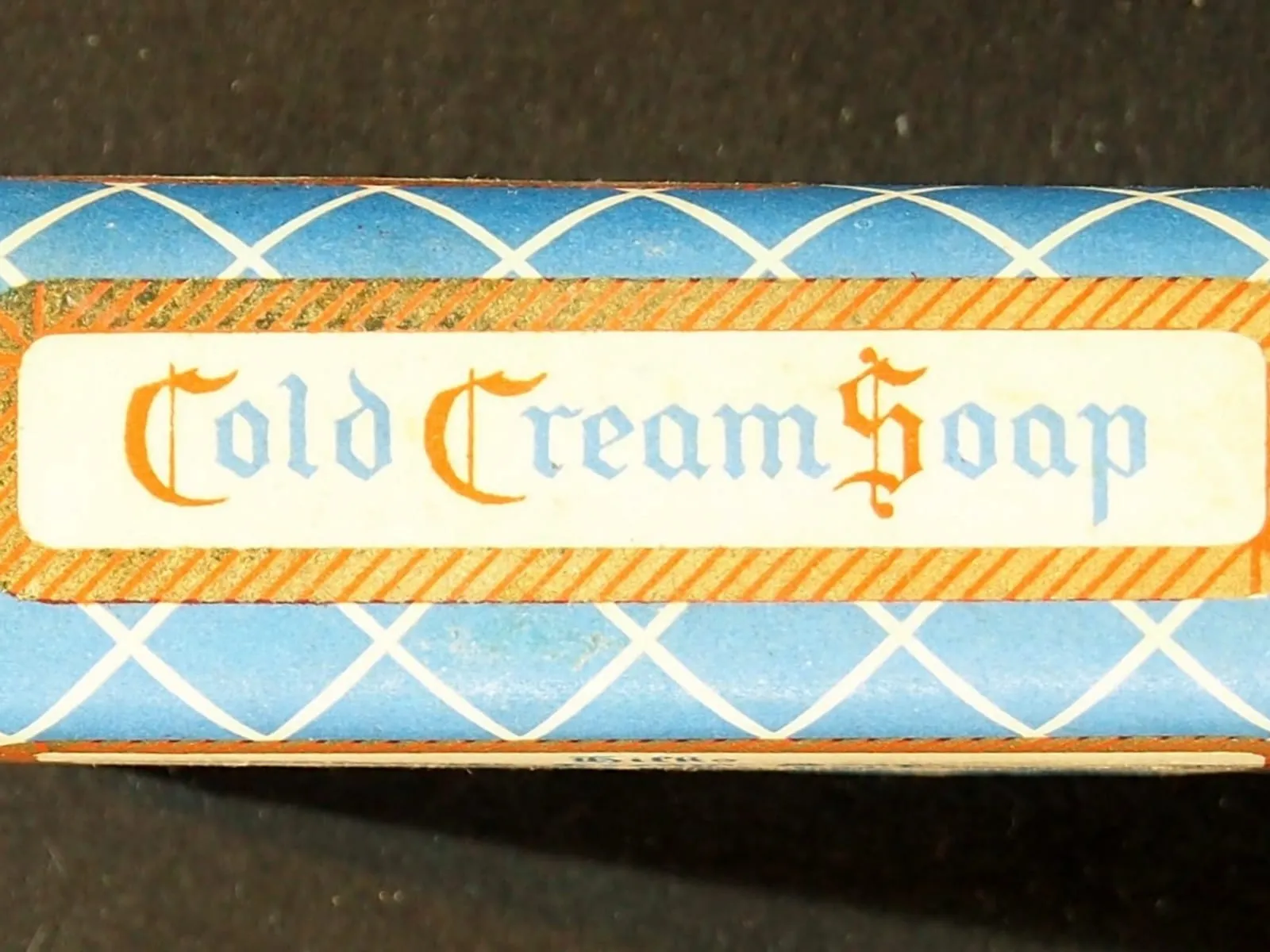
Read the ingredient list from the top. Names like sodium olivate mean oils were saponified into soap, while sorbitol or propylene glycol high up point to a transparent melted base, and a surfactant list means a syndet bar. In India, also check the TFM, the BIS grade and the manufacture date.
A soap label tells you what a bar is mainly through its ingredient list and its declarations, not its front panel. Read the list from the top: names such as sodium olivate show that oils were saponified into soap, while a list built on surfactants describes a syndet. Indian packs should also carry the month and year of manufacture.
How do you read a soap ingredient list?
Read only the first three or four ingredients. Ingredients are listed in descending order, so the top lines are most of the bar. Under the Cosmetics Rules, 2020, ingredients above one percent are listed in descending order of weight at the time they are added, followed by the rest in any order.
That wording matters. A list that reads olive oil, coconut oil, water and sodium hydroxide follows the rule’s “as added” order. A list that reads sodium olivate and sodium cocoate names what the reaction produced. Both are used, as the next section explains.
What do INCI names like sodium olivate mean?
INCI names are standard cosmetic ingredient names, and for soap they name the sodium salt of an oil’s fatty acids. Sodium olivate is listed as olive oil fatty acids, sodium salts. The pattern is oil name plus “ate”: the Cosmetic Ingredient Review defines sodium castorate as the sodium salt of castor seed oil fatty acids.
A trade guild explains that makers can declare what goes into the pot or what comes out: oils and lye, or names such as sodium olivate, sodium palmate and sodium cocoate. Both can be legitimate. Sodium hydroxide on a list is not leftover lye, because the reaction consumes it.
How can you tell soap, a melt and pour base and a syndet bar apart?
Three kinds of bar look alike on a shelf and read very differently on a label. True soap lists oils and lye or sodium-ate names. A melt and pour base leads with glycerine, sorbitol or propylene glycol. A syndet lists synthetic surfactants. The table shows what each first line usually looks like.
| Bar type | Typical first ingredients | What it is | Source |
|---|---|---|---|
| Cold or hot process soap | Sodium olivate, sodium cocoate; or oils, water, sodium hydroxide | Fat and lye saponified into soap | HSCG |
| Transparent or melt and pour base | Glycerine, propylene glycol, sorbitol, with soap and surfactants | A remeltable base made with polyols as transparency agents | US patent 5,496,489 |
| Syndet bar | Sodium cocoyl isethionate or other synthetic surfactants | A synthetic detergent bar, not soap | Ghosh 2007 |
In the US, the FDA treats a product as soap only if the bulk of its non-volatile matter is an alkali salt of fatty acids and it is labelled solely as soap. The pH also differs: in one survey of 96 products, bar soaps measured pH 8.01 to 11.01 and syndets 4.99 to 7.78. See why real soap is alkaline.
For how handmade methods differ, see cold process, melt and pour and hot process.
What does TFM mean on a soap bar?
Total fatty matter, or TFM, is the share of a soap’s weight that is fatty acids. It is defined as the fatty matter that can be separated from a sample after splitting with a mineral acid. IS 2888 requires the pack to state it and sets a minimum for each grade, so it is a useful number for comparing bars.
| BIS grade | Minimum TFM | What the standard says |
|---|---|---|
| Grade 1 | 76.0% | High-grade, thoroughly saponified, milled or homogenised soap |
| Grade 2 | 70.0% | Thoroughly saponified, plodded soap of firm, smooth texture |
| Grade 3 | 60.0% | Saponified soap of firm, smooth texture |
All three rows come from IS 2888:2004, which allows only perfume, moisture, colouring matter, preservatives, medicaments and declared substances besides the soap itself. For scale, pure dry sodium oleate has a TFM of 92.8 percent, and low TFM is generally associated with fillers.
What must an Indian soap label show?
An Indian soap pack must carry several declarations from three sources. The Cosmetics Rules, 2020 require the manufacturer’s name and address, a manufacturing licence number, and, for soaps, the month and year of manufacture in place of a batch number. Legal Metrology adds the net quantity and price.
- Cosmetics Rules, 2020: the ingredient list for packs above 30 g, the net contents, and the licence number, with IS 2888 for toilet soap and IS 13498 for bathing bars listed in the Ninth Schedule.
- Legal Metrology (Packaged Commodities) Rules, 2011: the name and address of the manufacturer or packer, the generic name, net quantity, month and year of manufacture, and the retail sale price inclusive of all taxes, plus a contact for consumer complaints.
- IS 2888: the grade, net mass, batch or lot number, year and month of manufacture, total fatty matter and any other ingredients.
These rules have been amended since they were first notified, so check the current text for a legal question. A pack missing these items is a reason to ask questions.
Which marketing words on a soap label mean nothing?
Several popular label words carry little information because the Indian rules do not define them. The Cosmetics Rules, 2020 contain no definition of natural, herbal or handmade as product claims. They prohibit any claim that is false or misleading, and the ASCI Code expects claims to be capable of substantiation.
- Natural, herbal: not defined in the Rules text, so they limit nothing.
- Organic: not defined as a product claim in the Rules text, so treat it as meaningful only if a certifying body is named.
- Chemical-free: impossible, because water is a chemical.
- Handmade: not defined in the Rules text. Melting a purchased base by hand could also be called handmade.
- Cold pressed: describes how an oil was extracted, not how the soap was made.
- pH balanced: soap bars measured above pH 8 in the survey above, so a bar claiming a skin-like pH is probably not soap.
Which label words do carry information?
Specific, checkable words are the useful ones. Cold process or hot process names a method. The manufacture date is a legal item for soap. A named certifier or licence number can be checked. Net quantity lets you compare price per gram. TFM and the grade compare bars directly, and a stated oil blend shows what the maker chose.
Two example labels, read
Two worked examples show the method in practice. Each label below was written for this guide and is not copied from any product. Read the first three entries, decide whether polyols, surfactants or sodium-ate names lead, and then check the rest of the list for colourants, clays and scent.
Label A: Glycerin, sodium stearate, sorbitol, propylene glycol, sodium laureth sulfate, water, fragrance, mica. Polyols and surfactants lead, so this reads as a transparent melted base, not soap made from oils.
Label B: Sodium olivate, sodium cocoate, water, glycerin, sodium castorate, Lavandula angustifolia oil, kaolin. Saponified oils lead, so this is soap that somebody made, with olive first and coconut second. For the clay, see cosmetic clays compared.
What should you ask a maker?
A real formulator answers these quickly: the oil blend, the cure time and the superfat. Cure times run to several weeks, and the reasons are in how long soap needs to cure. The superfat is the share of oil left unreacted, explained in superfat and lye discount. Ask also where the scent comes from.
The one-glance version
Read the first three ingredients. Sodium-ate names or oils plus lye mean soap that somebody made, polyols and surfactants mean a remelted base or a detergent bar, and an Indian pack should show a TFM, a grade and a manufacture date. The back of the pack is regulated, and the front is not.
Frequently asked questions
- Does sodium hydroxide on a soap label mean there is lye in the bar?
- No. Sodium hydroxide is the lye that reacts with the oils to make soap, and the reaction consumes it. The Indian toilet soap standard, IS 2888, caps free caustic alkali at 0.05 percent by mass in every grade.
- Is a higher TFM always better?
- Not automatically. TFM measures the fatty acid content, so a higher figure means less filler and water by weight. It does not say which oils were used, how much superfat the bar has or how well it was cured, so compare it alongside the oil list.
- What does the BIS Standard Mark on a soap pack mean?
- IS 2888 says toilet soap packs may carry the Standard Mark, and that its use is governed by the BIS Act and the licence conditions. The mark is therefore used under a BIS licence. Its absence is not proof that a soap is poor.
- Can a small soap leave out the ingredient list?
- Under the Cosmetics Rules, 2020, the ingredient statement need not appear on packs of solid cosmetic that weigh 30 g or less. Other items such as the manufacturer and the month and year of manufacture are still required for soap.
Sources
- primaryIS 2888:2004, Toilet soap, Bureau of Indian Standards (public copy)Three grades of toilet soap with minimum total fatty matter of 76.0, 70.0 and 60.0 percent; free caustic alkali at most 0.05 percent; the required pack markings; the optional Standard Mark.
- primaryCosmetics Rules, 2020, Central Drugs Standard Control Organization (rules 34 and 36, Ninth Schedule)Ingredient lists in descending order of weight at the time of adding, month and year of manufacture on soaps, the licence number, the 30 g exemptions, the ban on misleading claims, and IS 2888 and IS 13498 in the Ninth Schedule.
- primaryLegal Metrology (Packaged Commodities) Rules, 2011, rule 6 (as notified)Declarations of manufacturer or packer, generic name, net quantity, month and year of manufacture, retail sale price inclusive of taxes, and a consumer-complaint contact.
- primaryUS FDA, Is it a cosmetic, a drug, or both? (Or is it soap?)The FDA definition of soap: the bulk of the non-volatile matter is an alkali salt of fatty acids and the product is labelled and sold solely as soap.
- primaryChildren's soap pH analysis, Revista Paulista de Pediatria (2025)Bar soaps measured pH 8.01 to 11.01 and syndets 4.99 to 7.78 at 1% dilution across 96 products.
- primaryGhosh and Blankschtein (2007), Why is sodium cocoyl isethionate mild to the skin barrier?, Journal of Cosmetic ScienceSodium cocoyl isethionate is a key surfactant in syndet cleansing bars and is milder on the skin barrier than soaps.
- primaryThe ASCI Code, Advertising Standards Council of IndiaAdvertising claims about objectively ascertainable facts should be capable of substantiation.
- secondaryCosmetic Ingredient Review (2019), Safety Assessment of Fatty Acids and Fatty Acid Salts as Used in CosmeticsThe naming pattern of fatty acid salts, for example sodium castorate as the sodium salt of castor seed oil fatty acids.
- secondaryCOSMILE Europe: Sodium OlivateSodium olivate is the ingredient name for olive oil fatty acids, sodium salts, functioning as a cleansing surfactant.
- secondaryHandcrafted Soap and Cosmetic Guild: Soap, Ingredient DeclarationTwo ways to declare soap ingredients: the oils and lye that go into the pot, or the saponified names such as sodium olivate that come out.
- secondaryUS Patent 5,496,489, solid transparent soap based on fatty acid saltsTransparent soaps use C2 to C6 polyols such as glycerine, propylene glycol and sorbitol as transparency agents.
- secondaryWikipedia: Total fatty matterTotal fatty matter as the fatty acids separable from a soap sample, with pure dry sodium oleate at 92.8 percent and low TFM associated with fillers.
Read next
All articles →
Buying Well
Why Handmade Soap Costs More Than a Supermarket Bar in India
Why a handmade bar often costs more: oil prices, weeks on a curing rack, retained glycerine, small batches and Indian licensing, with World Bank and Cosmetics Rules data.
Ingredients
Activated Charcoal in Soap: What It Does and What It Does Not
Charcoal soap is sold as a detox. What activated charcoal actually does in a rinse-off bar, how it compares with other black powders, and which claims lack evidence.
Buying Well
How to Make a Bar of Soap Last Longer
Most bars do not wear out, they dissolve. Six habits that slow that down, from the soap dish to the cure, and why a handmade bar rewards them more than most.