Cosmetic Clays Compared: Kaolin, Bentonite, Multani Mitti and More
Cosmetic clays differ in mineral type, swelling and ion-exchange capacity. Kaolin, pink, green, bentonite, multani mitti and rhassoul compared, with what is and is not proven.
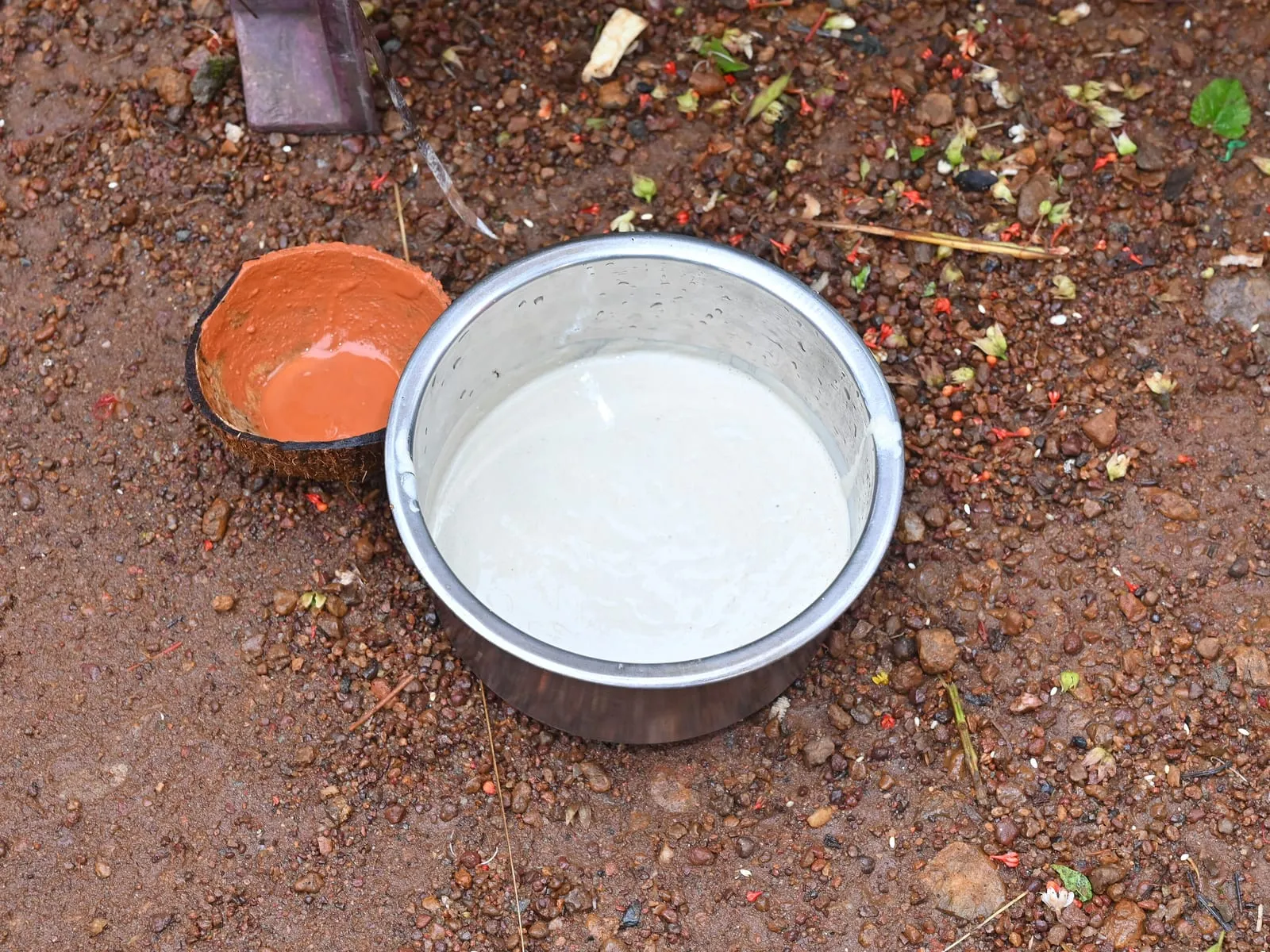
Kaolin is the gentlest cosmetic clay: it barely swells and has a low cation-exchange capacity. Bentonite, mostly montmorillonite, swells strongly and absorbs the most. Pink clay is usually kaolin tinted by iron oxide, and green clay is a variable mix such as illite and smectite.
Cosmetic clays differ mainly in mineral type and how much they swell in water. Kaolin is the gentlest, because it has a low shrink-swell capacity and a low cation-exchange capacity. Bentonite, mostly montmorillonite, swells strongly. Pink, green, multani mitti and rhassoul clays are better described by colour or origin than by one shared chemistry.
What makes one cosmetic clay different from another?
Clays are layered minerals. Three properties separate them: the mineral type, how far water can push the layers apart (swelling), and how many positively charged ions the layers can hold and swap, called cation-exchange capacity. Kaolinite is low at 1 to 15 meq per 100 g, while illite is higher at 20 to 40.
Smectites, the family that includes montmorillonite, combine high cation-exchange capacity and large surface area. That is why swelling clays are called more absorbent. The colour of a clay is mostly a clue to its iron content, not to how it behaves.
Which cosmetic clay is the gentlest?
Kaolin is the gentlest cosmetic clay, and bentonite is the strongest. Kaolinite does not absorb water or expand when wetted, so it draws only lightly. Bentonite is an absorbent swelling clay made mostly of montmorillonite. Everything else in this guide sits between those two, or beside them.
No controlled trial we found compares these clays on skin inside a rinse-off bar. The ranking comes from mineral behaviour, which is solid, and not from skin studies, which are missing.
Cosmetic clays compared at a glance
The table lists the clays you will meet on Indian and imported labels, from least to most reactive in water. It gives the main mineral in each and what that mineral does, with a source for every row. Treat the last column as a property of the mineral, not a promise about skin.
| Clay | Main mineral | Behaviour in water | Source |
|---|---|---|---|
| Kaolin (china clay) | Kaolinite | Barely swells; cation-exchange capacity 1 to 15 meq/100 g | Kaolinite |
| Pink clay | Usually kaolin tinted with iron oxide | Expected to behave like kaolin | Kaolinite |
| Green clay (French green) | Illite and iron-rich smectite in the two samples studied | Illite is non-expansive; smectite swells | PMC study |
| Rhassoul (ghassoul) | Stevensite, a smectite, with calcite, dolomite and quartz | Smectite clay, so it can swell | Heliyon |
| Multani mitti (fuller’s earth) | Palygorskite or bentonite | Absorbent | Fuller’s earth |
| Bentonite | Mostly montmorillonite | Swells strongly; sodium form more than calcium | Bentonite |
What is pink clay?
Pink clay is usually kaolin coloured by iron oxide, not a separate mineral. In many parts of the world kaolin is coloured pink, orange or red by iron oxide, so pink clay is expected to behave like kaolin. Product names vary, and a label that says pink clay does not guarantee the mix.
What is green clay?
Green clay is not one defined mineral. A study of two French green clays found both were dominated by illite and iron-rich smectite, and in laboratory tests one promoted bacterial growth while the other killed or inhibited bacteria. Two clays sold under one colour name behaved differently, so treat the name as loose.
Is multani mitti the same as bentonite?
Sometimes. Multani mitti is a fuller’s earth, and fuller’s earth products typically consist of palygorskite or bentonite, and in some places the name refers to calcium bentonite. The same name can therefore cover two different minerals. Multani mitti is widely used across the Indian subcontinent on skin.
What is rhassoul clay?
Rhassoul, or ghassoul, is a clay mined in Morocco and used on skin and hair. A raw sample was characterised as essentially stevensite, with calcite, dolomite and quartz. Stevensite is a smectite-type clay. Wikipedia notes there is little formal research on whether rhassoul does what it is claimed to do.
What do clays actually do in a bar of soap?
In soap, clay works mostly as a mild adsorbent, an opacifier and a texture or colour modifier. The Cosmetic Ingredient Review states that clay silicates primarily function as adsorbents, opacifiers and viscosity-increasing agents, and bentonite is used as a filler in cosmetics and soaps.
The soap base also matters: see what saponification is and why real soap is alkaline. For a black powder with a different job, see activated charcoal in soap.
Do clays really draw out oil and impurities?
Clays do adsorb oil. Fuller’s earth is named for fulling, when textile workers kneaded it into wool to absorb lanolin, oils and greasy impurities, and it still absorbs oil and grease. Whether that benefits skin in a short wash is untested, so “drawing out impurities” describes the mineral, not a skin result.
Are cosmetic clays safe?
Cosmetic clays are judged safe as currently used. The Cosmetic Ingredient Review concluded that kaolin, bentonite, fuller’s earth, montmorillonite and related clay silicates are safe as used in cosmetic formulations, with a caution that sprays containing these solids be formulated to minimise inhalation.
The same report notes lung damage in workers who breathed mineral dusts in mining and processing. That is an occupational risk from dust, not from a finished bar, but it is a reason for soap makers to avoid breathing dry clay powder.
Which clay should you choose for your skin type?
We found no trial that ranks clays by skin type, so mineral behaviour is only a rule of thumb. If your skin reacts to many products, start with kaolin or pink clay, which are low in swelling. Normal skin can use any of them. Oily skin may prefer the more absorbent clays, and dry skin may find those drying.
These are cautious suggestions, not medical advice. Whatever the clay, the oils and the superfat in the bar decide how mild it feels. See a dermatologist for a skin condition.
How do you spot a clay on a soap label?
Clays appear on labels by mineral name. The Cosmetic Ingredient Review report names kaolin, bentonite, fuller’s earth, montmorillonite, attapulgite and hectorite among its clay silicates, and colour names such as pink clay or green clay may appear instead. The label guide explains how to read the rest of an ingredient list.
The short version
Clay colour is mostly a clue to iron content. What separates clays is mineral type, swelling and ion-exchange capacity. Kaolin and pink clay are the mild end, bentonite is the strong end, and green clay, multani mitti and rhassoul vary. Match the clay to your skin cautiously, and judge the bar by its soap base.
Frequently asked questions
- What does cation-exchange capacity mean for a clay?
- Cation-exchange capacity is how many positively charged ions a clay can hold on its surfaces and swap for others, measured in milliequivalents per 100 g. Kaolinite is low at 1 to 15, and illite is higher at 20 to 40. A higher number usually goes with a more reactive, more absorbent clay.
- Is kaolin the same as china clay?
- Yes. Kaolin is the name for rock rich in the mineral kaolinite, and it is also called china clay. The pink or red tint that kaolin sometimes shows in the ground comes from iron oxide.
- What is the difference between sodium and calcium bentonite?
- Both are bentonite, a clay made mostly of montmorillonite. Sodium bentonite has a considerably greater swelling capacity than calcium bentonite. Which one is in a product is rarely stated on a consumer label.
- Do clays change the colour of soap?
- They can. Kaolin is mostly white, and iron oxides tint clay pink, orange or red, so pink and red clays can give a bar a soft tint. The exact shade also depends on the oils, other colourants and the alkaline soap around them.
Sources
- primaryWilliams et al. (2008), Chemical and mineralogical characteristics of French green clays used for healing, Clays and Clay Minerals (PMC)Two French green clays were dominated by illite and iron-rich smectite, and differed in antibacterial behaviour in laboratory tests.
- primaryMoussout et al. (2020), Interfacial electrochemical properties of natural Moroccan Ghassoul (stevensite) clay in aqueous suspension, Heliyon (PMC)A raw ghassoul (rhassoul) sample consisted essentially of stevensite, calcite, dolomite and quartz.
- secondaryWikipedia: KaoliniteKaolinite has a low shrink-swell capacity and a low cation-exchange capacity (1 to 15 meq/100 g); kaolin is called china clay; iron oxide colours kaolin pink to red.
- secondaryAkisanmi, Classification of Clay Minerals, IntechOpenIllite is non-expansive with a cation-exchange capacity of 20 to 40 meq/100 g; kaolinite does not expand when wetted; smectites have high cation-exchange capacity and surface area.
- secondaryWikipedia: BentoniteBentonite is an absorbent swelling clay made mostly of montmorillonite, sodium forms swelling more than calcium forms, and it is used as a filler in cosmetics and soaps.
- secondaryElmore (2003), Final report on the safety assessment of aluminum silicate, bentonite, Fuller's earth, kaolin and related clay silicates, International Journal of ToxicologyClay silicates function primarily as adsorbents, opacifiers and viscosity-increasing agents; judged safe as used, with spray products formulated to limit inhalation.
- secondaryWikipedia: Fuller's earthFuller's earth products typically consist of palygorskite or bentonite; multani mitti is a fuller's earth widely used in the Indian subcontinent.
- secondaryWikipedia: RhassoulRhassoul is a clay mined in Morocco and used on skin and hair; there is little formal research on its efficacy.
Read next
All articles →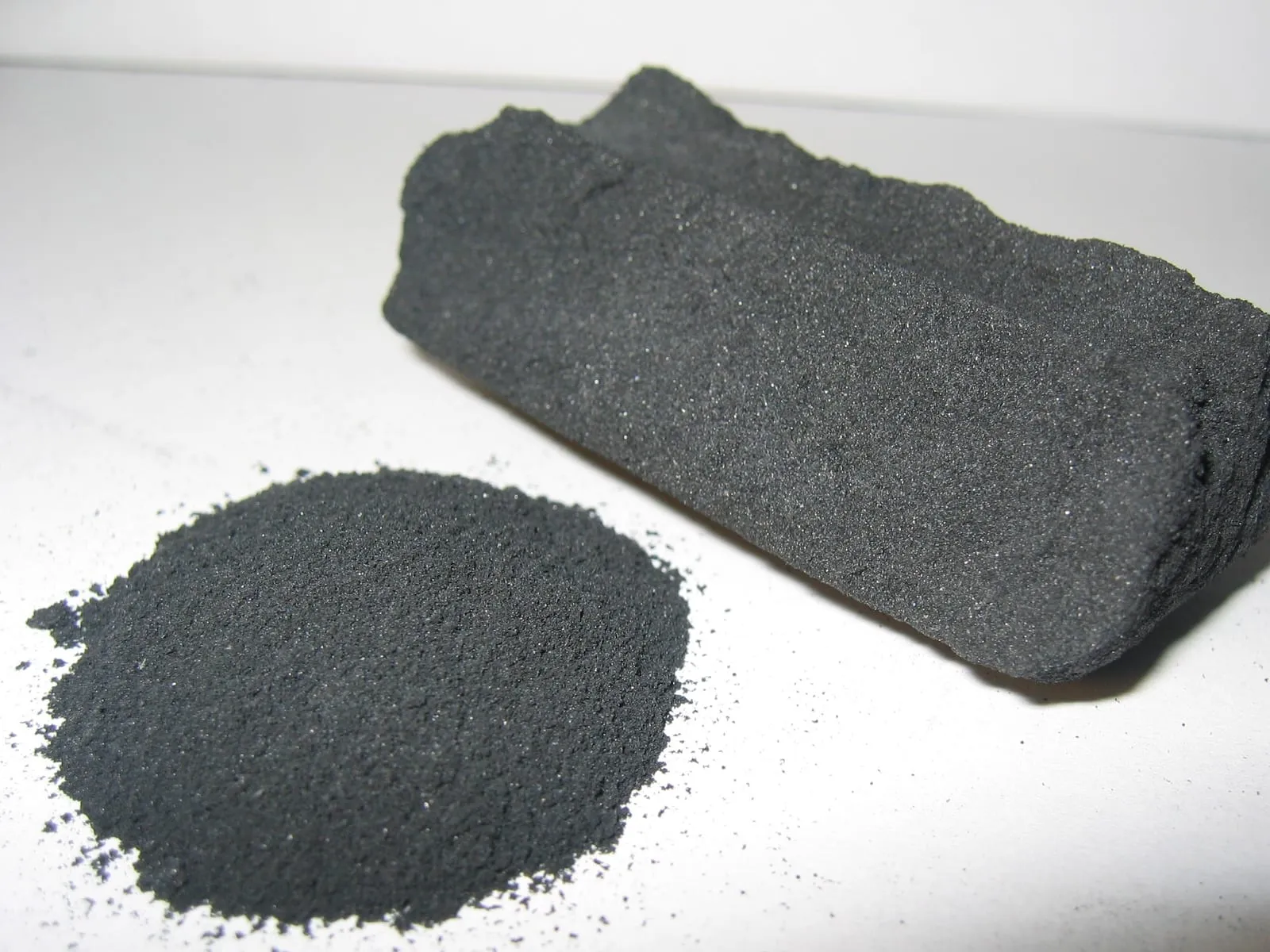
Ingredients
Activated Charcoal in Soap: What It Does and What It Does Not
Charcoal soap is sold as a detox. What activated charcoal actually does in a rinse-off bar, how it compares with other black powders, and which claims lack evidence.
Ingredients
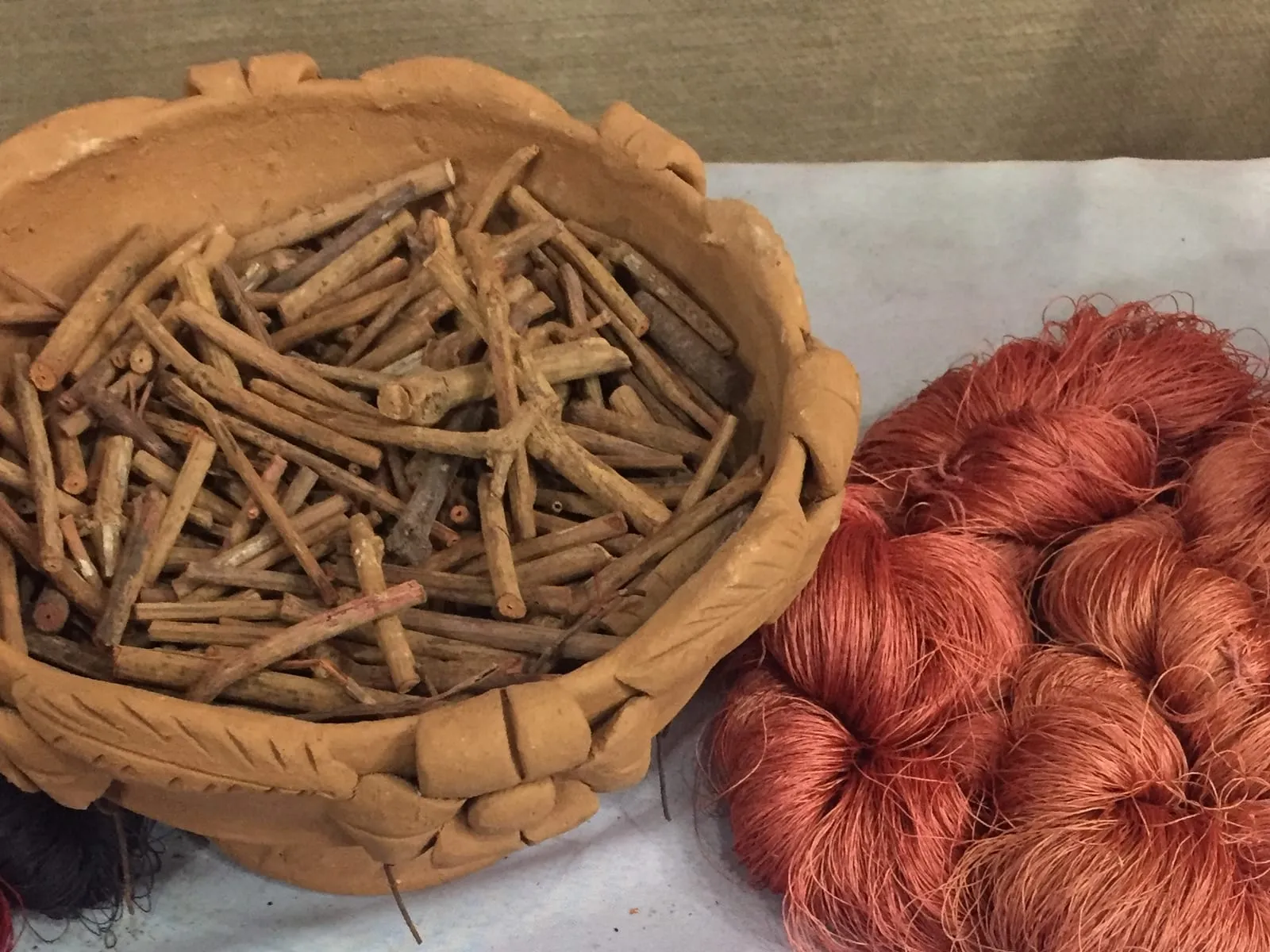
Manjistha (Indian Madder) in Soap: Colour, Tradition and Evidence
Manjistha is Rubia cordifolia, Indian madder, a red plant dye used in Ayurveda. What it does in a soap bar, why its colour shifts with pH, and what is tradition versus tested.
Ingredients
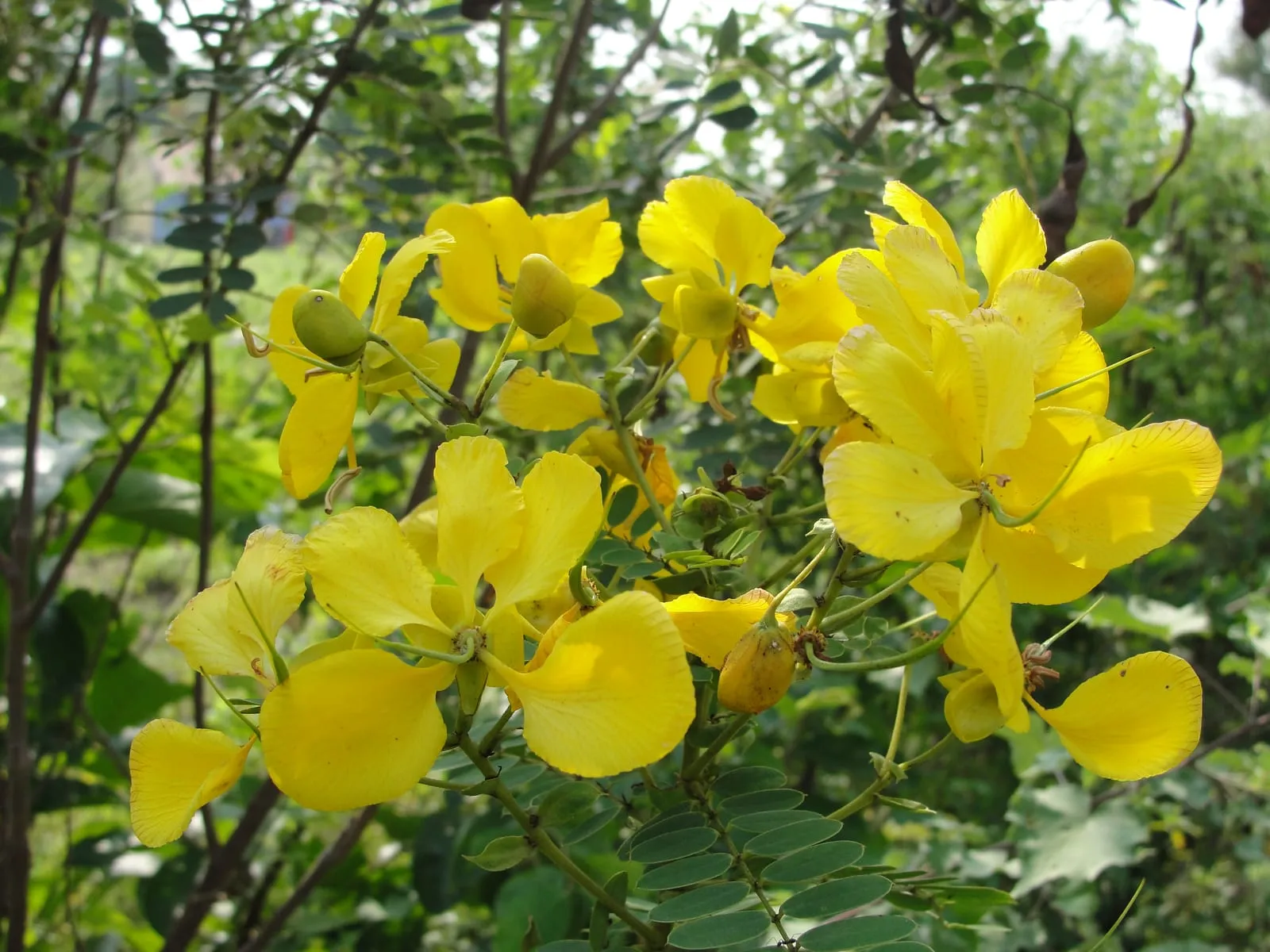
Tangedu Flower in English: Tanner's Cassia, Telangana State Flower
Tangedu (thangedu puvvu) is tanner's cassia in English, scientific name Senna auriculata. Telangana's state flower: what the plant is, its uses and the evidence.