Manjistha (Indian Madder) in Soap: Colour, Tradition and Evidence
Manjistha is Rubia cordifolia, Indian madder, a red plant dye used in Ayurveda. What it does in a soap bar, why its colour shifts with pH, and what is tradition versus tested.
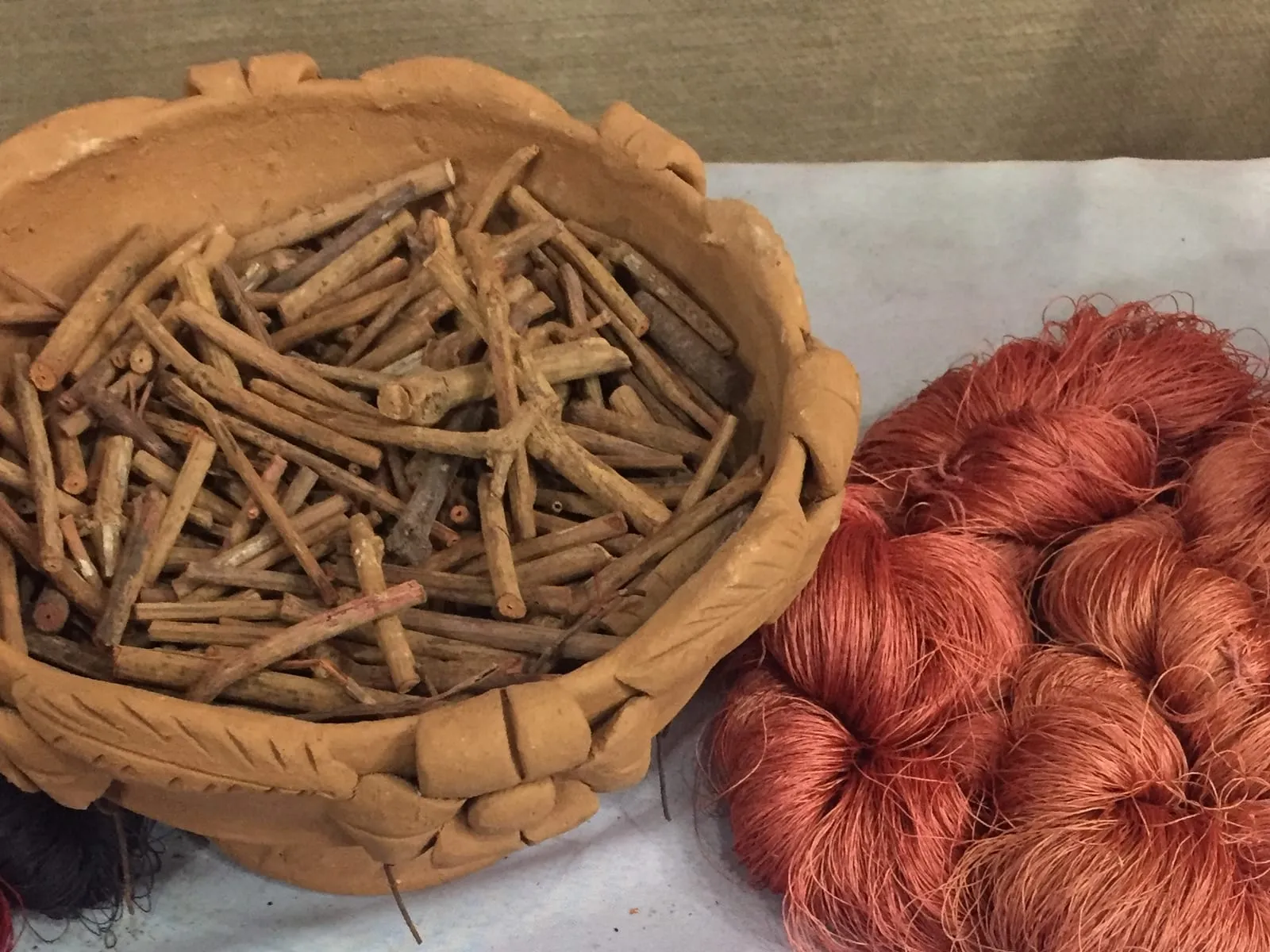
Manjistha is Rubia cordifolia, or Indian madder, an Ayurvedic ingredient and a source of red anthraquinone dyes. In soap its main job is colour, which shifts with pH. Skin benefits rest on tradition and on laboratory or animal studies, not on proven human results.
Manjistha is the Ayurvedic name for Rubia cordifolia, known in English as Indian madder, and in soap it works mainly as a natural red colourant. Its colour comes from anthraquinone dyes, and the shade shifts with pH. Claims that it treats skin conditions rest on tradition and laboratory work, not on proven human results.
What is manjistha?
Manjistha is Rubia cordifolia, a climbing plant in the coffee family, Rubiaceae, cultivated for a red pigment. In English it is Indian madder. The Ayurvedic Pharmacopoeia of India lists the names Yojnavalli, Vastrarajini and Rakta in Sanskrit, Manjitha or Manjit in Hindi, and Manjishtha in Telugu.
A related madder, Rubia tinctorum, is a separate species. That difference matters for safety, which is covered further down. For the chemistry of the soap itself, see what saponification is.
Is manjistha a root or a stem?
Both descriptions exist. The Ayurvedic Pharmacopoeia of India defines manjistha as the dried stem of Rubia cordifolia, while botanical and dye references describe the root as the source of the red pigment. The part used depends on the source, so a label that says only manjistha does not tell you which.
The pharmacopoeia describes the powder as pink. Colour in soap depends on more than the plant part, as the next sections explain.
What colour does manjistha give a soap?
Manjistha gives soap a colour in the red to brown range, with the exact shade depending on the amount, the preparation and the soap itself. Its colour components are mainly anthraquinones, and dyes from the plant fall in the yellow-red part of the colour space in dye studies.
Makers add the plant as a powder or as an infused oil. In cold process soap it meets an alkaline batter, and the amount and the soap base also change the result, so two makers rarely get the same shade. Plant colours can also change over time, so it is sensible to store bars away from strong light.
Why does the colour of manjistha soap shift?
The colour shifts because anthraquinone dyes change colour with pH. Alizarin, a madder dye, runs from yellow to purple across pH 2 to 12 in laboratory films. Bar soap is alkaline, with bars measuring pH 8.01 to 11.01 in one survey, so manjistha can look different from the pour to the cured bar.
Why soap is alkaline is explained in why real soap is alkaline. Because the dye is pH-sensitive, a shade that differs between a fresh bar and a later one is expected, and is not a defect.
Which compounds in madder matter for colour and safety?
Madder roots contain several anthraquinone compounds, and they differ in what is known about them. The table names five and says where each stands. The evidence on skin is laboratory and animal work, and the safety signals come from the related European madder, so read the last column with care.
| Compound | Where reported | What is known | Source |
|---|---|---|---|
| Alizarin | Rubia cordifolia, madder dye | Changes colour with pH; eased psoriasis-like lesions in mice | Ezati 2020, Lin 2025 |
| Purpurin | Rubia cordifolia | Reduced inflammatory signals in skin cells | Lin 2025 |
| Mollugin | Rubia cordifolia | Reduced inflammatory signals in skin cells | Lin 2025 |
| Lucidin | Rubia tinctorum glycoside metabolite | Highly genotoxic in laboratory tests | Blömeke 1992 |
| Rubiadin | Metabolite of madder colour | May be a potent carcinogen in rat kidney | Inoue 2009 |
What are the traditional uses of manjistha in Ayurveda?
In Ayurveda, manjistha is a drug with a long list of uses. The pharmacopoeia monograph lists complexion-supporting (varnya) and skin-disease (kusthaghna) actions, with uses that include kustha (skin diseases) and vyanga (a facial pigmentation condition). The listed oral dose is 2 to 4 g of the drug.
That history is genuine, and it explains why manjistha appears in Indian skincare. Tradition records what practitioners have long used the plant for. It does not show that a rinse-off soap does the same.
What does the evidence say about manjistha for skin?
The evidence for skin is preclinical, meaning cells and animals. A 2003 laboratory study found that Rubia cordifolia suppressed inflammatory mediators triggered by acne bacteria in cells. A root fraction slowed keratinocyte growth and thickened mouse skin in a psoriasis model. A 2025 study found that alizarin from the plant eased psoriasis-like lesions in mice.
The one human trial we found tested an oral supplement for four weeks in 31 healthy adults and looked at gut bacteria, not skin. We found no human trial of manjistha in a soap. A bar is on the skin only briefly, so results from concentrated extracts in cells or from mouse skin should not be read as results for a bar.
Is manjistha safe?
Manjistha has a long traditional record, but safety data are thin and the closest warnings concern the related European madder. A 2026 review reports that chronic use of Rubia tinctorum induced liver and kidney tumours in mice, with lucidin, rubiadin and alizarin among the carcinogens it names, and that the Rubia species share only a limited set of constituents.
Those findings concern Rubia tinctorum eaten or fed to rodents, not Rubia cordifolia in a rinse-off bar. They are a reason to avoid taking madder by mouth without medical advice. We found no study that shows harm from washing with manjistha soap, and none that shows it is risk-free.
How do you spot manjistha on a soap label?
Look for the plant named by its botanical or common name. The label may say Rubia cordifolia, Indian madder or manjistha. Check also that the ingredient list does not rely on a synthetic colourant, which would appear as a CI number. The label guide explains how to read the full list and tell cold process soap from a coloured base.
Slight variation between bars in one batch is normal for a plant colour. A maker who explains the part used and the amount is giving you better information than one who only says natural. For another Indian botanical with a similar tradition-versus-evidence story, see tangedu.
The short version
Manjistha is Indian madder, an Ayurvedic ingredient and a source of anthraquinone dyes. In soap it is first a colourant, and its shade depends on pH. Evidence for skin benefits comes from cells and animals, and the safety warnings come from a related species. A good manjistha bar is worth buying for its colour and its craft.
Frequently asked questions
- Is manjistha the same as madder?
- Manjistha is Indian madder, Rubia cordifolia. The other widely studied madder is Rubia tinctorum, a different species. A 2026 review found the two share only a limited set of constituents, so findings for one should not be assumed to apply to the other.
- Does manjistha lighten skin or fade pigmentation?
- Ayurveda lists manjistha as complexion-supporting and includes vyanga, a facial pigmentation condition, among its uses. We found no human trial showing that manjistha in a soap or cream lightens skin, so the claim rests on tradition.
- Is it safe to take manjistha by mouth?
- We found only one small human trial, a 4-week pilot of 2,000 mg a day in 31 healthy adults that looked at gut bacteria. Rodent studies of the related madder Rubia tinctorum raised cancer concerns about its anthraquinones. Ask a doctor before taking it.
- Why did my manjistha soap change colour?
- Anthraquinone dyes such as alizarin change colour with pH, shifting from yellow toward purple as alkalinity rises. Fresh bar soap is alkaline, so the shade you see depends on the bar's pH. A shade difference between bars or over time is expected with a pH-sensitive plant dye.
Sources
- primaryAyurvedic Pharmacopoeia of India, Part I, Volume III: Manjistha (Stem), digitised on the Internet ArchiveThe official monograph defines manjistha as the dried stem of Rubia cordifolia, with a pink powder, synonyms, traditional actions and uses, and an oral dose of 2 to 4 g.
- primaryBhuyan and Saikia (2005), Isolation of colour components from native dye-bearing plants in northeastern India, Bioresource TechnologyThe colour components of Rubia cordifolia are mainly anthraquinones, giving dyes in the yellow-red range.
- primaryEzati et al. (2020), Alizarin pH-responsive colour indicator films, Carbohydrate PolymersAlizarin changes colour from yellow to purple across pH 2 to 12.
- primaryChildren's soap pH analysis, Revista Paulista de Pediatria (2025)Bar soaps measured pH 8.01 to 11.01 at 1% dilution, compared with 4.99 to 7.78 for syndets.
- primaryJain and Basal (2003), Inhibition of Propionibacterium acnes-induced mediators of inflammation by Indian herbs, PhytomedicineRubia cordifolia suppressed reactive oxygen species and inflammatory cytokines in cells exposed to P. acnes in the laboratory.
- primaryLin et al. (2010), Rubia cordifolia root fraction and keratinocytes, Phytotherapy ResearchA root fraction slowed keratinocyte growth in cells and thickened mouse tail skin in a preclinical psoriasis model.
- primaryLin et al. (2025), Quinone derivatives from Rubia cordifolia for topical therapy of psoriasiform inflammation, ACS Pharmacology and Translational ScienceAlizarin, purpurin and mollugin reduced inflammatory signals in skin cells and alizarin eased psoriasis-like lesions in mice.
- primaryPeterson et al. (2020), Triphala and manjistha supplementation and gut microbiota, Journal of Alternative and Complementary MedicineA 4-week randomised pilot trial of oral manjistha in 31 healthy adults looked at gut bacteria, not skin.
- primaryBlomeke et al. (1992), Genotoxic metabolites from anthraquinone glycosides in Rubia tinctorum, Mutation ResearchOral Rubia tinctorum glycosides gave rise to genotoxic compounds including lucidin and rubiadin in rats.
- primaryInoue et al. (2009), Rubiadin, a metabolite of madder color, and renal carcinogenesis in rats, Food and Chemical ToxicologyRubiadin was identified as a likely carcinogenic metabolite of madder colour in rat kidney.
- secondaryZhang et al. (2026), A comprehensive review of Rubia medicinal plants, Annales Pharmaceutiques FrancaisesChronic use of Rubia tinctorum induced liver and kidney tumours in mice, with lucidin, rubiadin and alizarin among the carcinogens, and the Rubia species share only a limited set of constituents.
- secondaryWikipedia: Rubia cordifoliaRubia cordifolia is known as Indian madder, belongs to the coffee family Rubiaceae, and is cultivated for a red pigment from its roots.
Read next
All articles →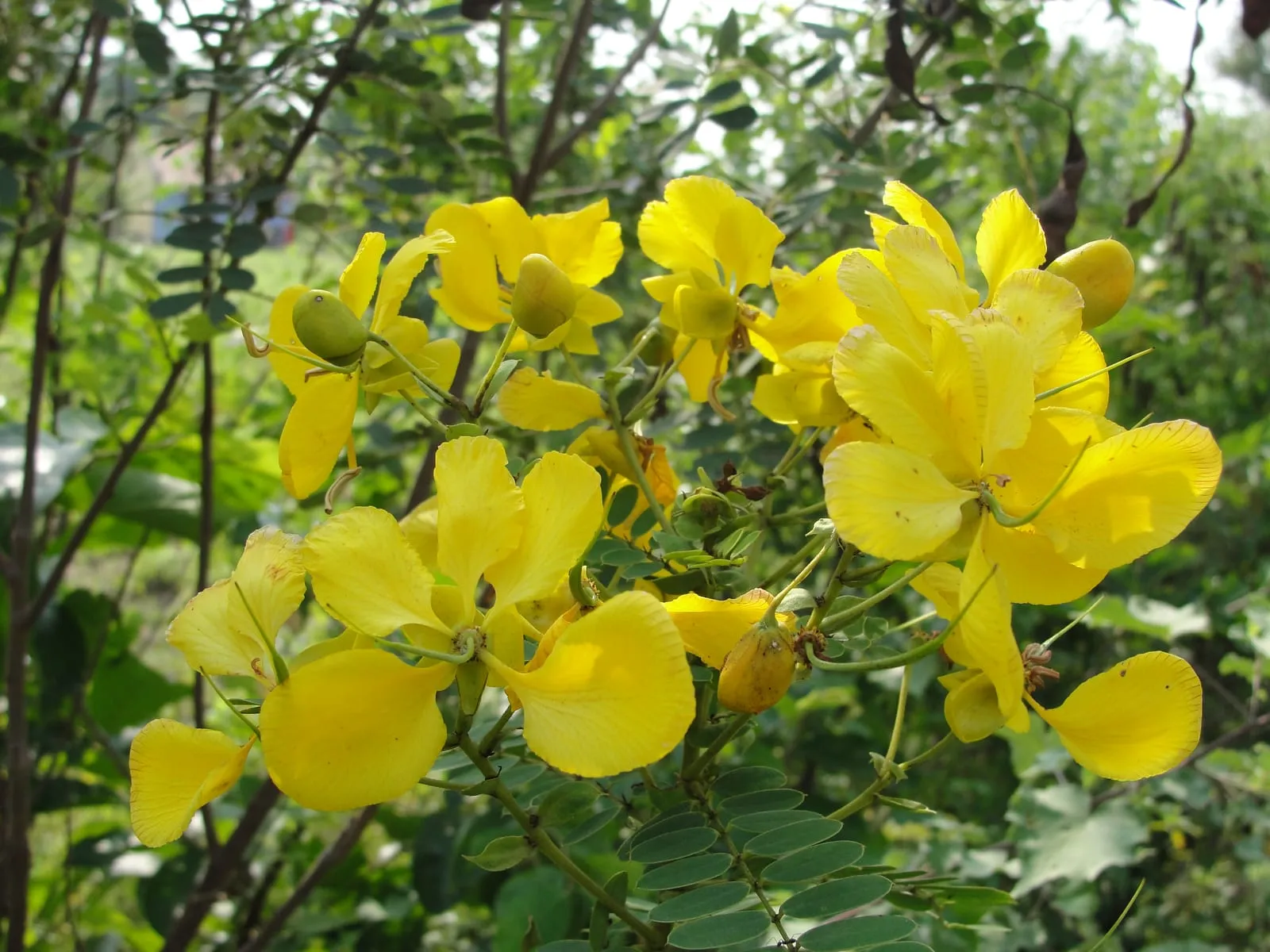
Ingredients
Tangedu Flower in English: Tanner's Cassia, Telangana State Flower
Tangedu (thangedu puvvu) is tanner's cassia in English, scientific name Senna auriculata. Telangana's state flower: what the plant is, its uses and the evidence.
Ingredients
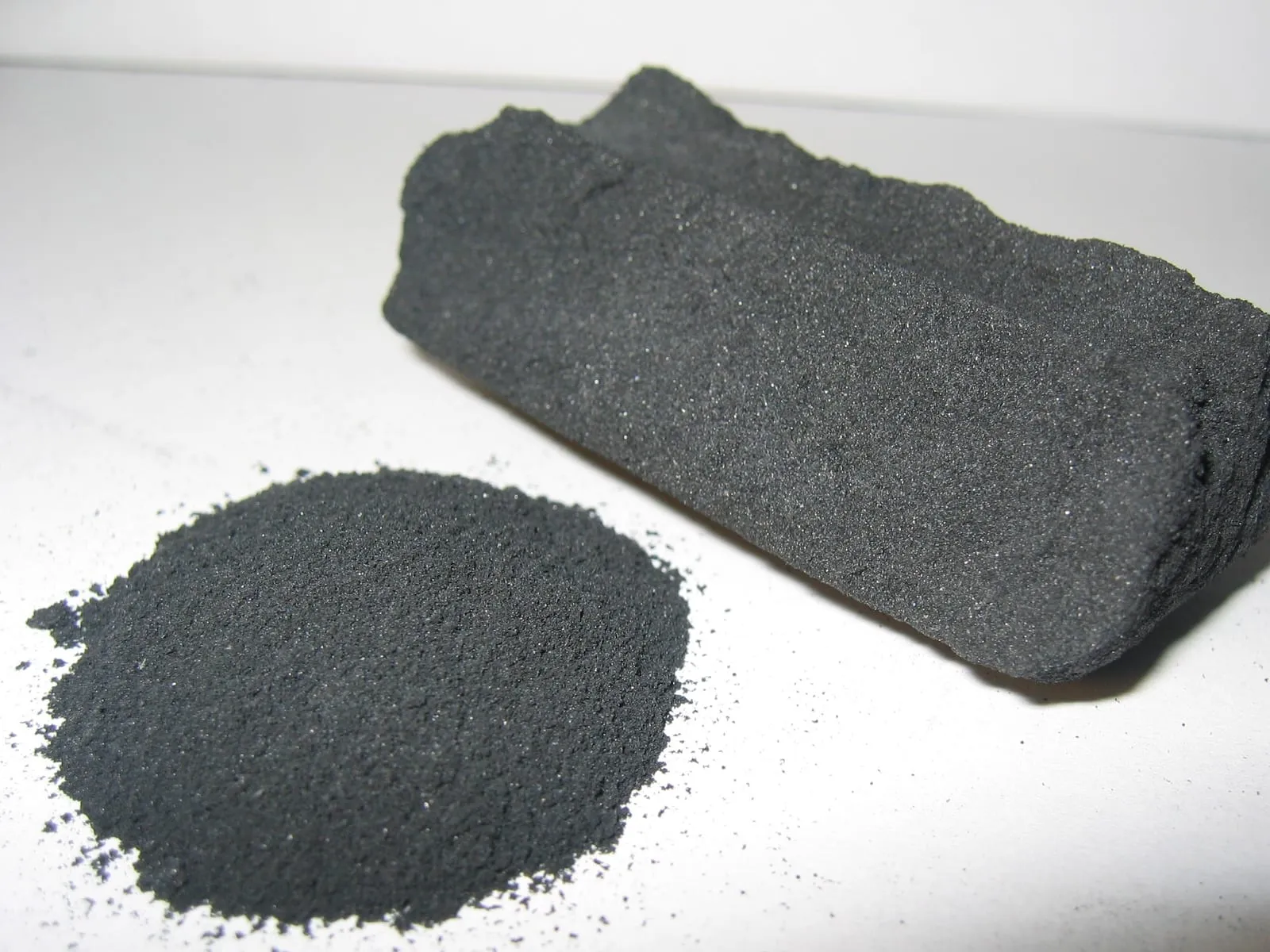
Activated Charcoal in Soap: What It Does and What It Does Not
Charcoal soap is sold as a detox. What activated charcoal actually does in a rinse-off bar, how it compares with other black powders, and which claims lack evidence.
Ingredients
Cosmetic Clays Compared: Kaolin, Bentonite, Multani Mitti and More
Cosmetic clays differ in mineral type, swelling and ion-exchange capacity. Kaolin, pink, green, bentonite, multani mitti and rhassoul compared, with what is and is not proven.